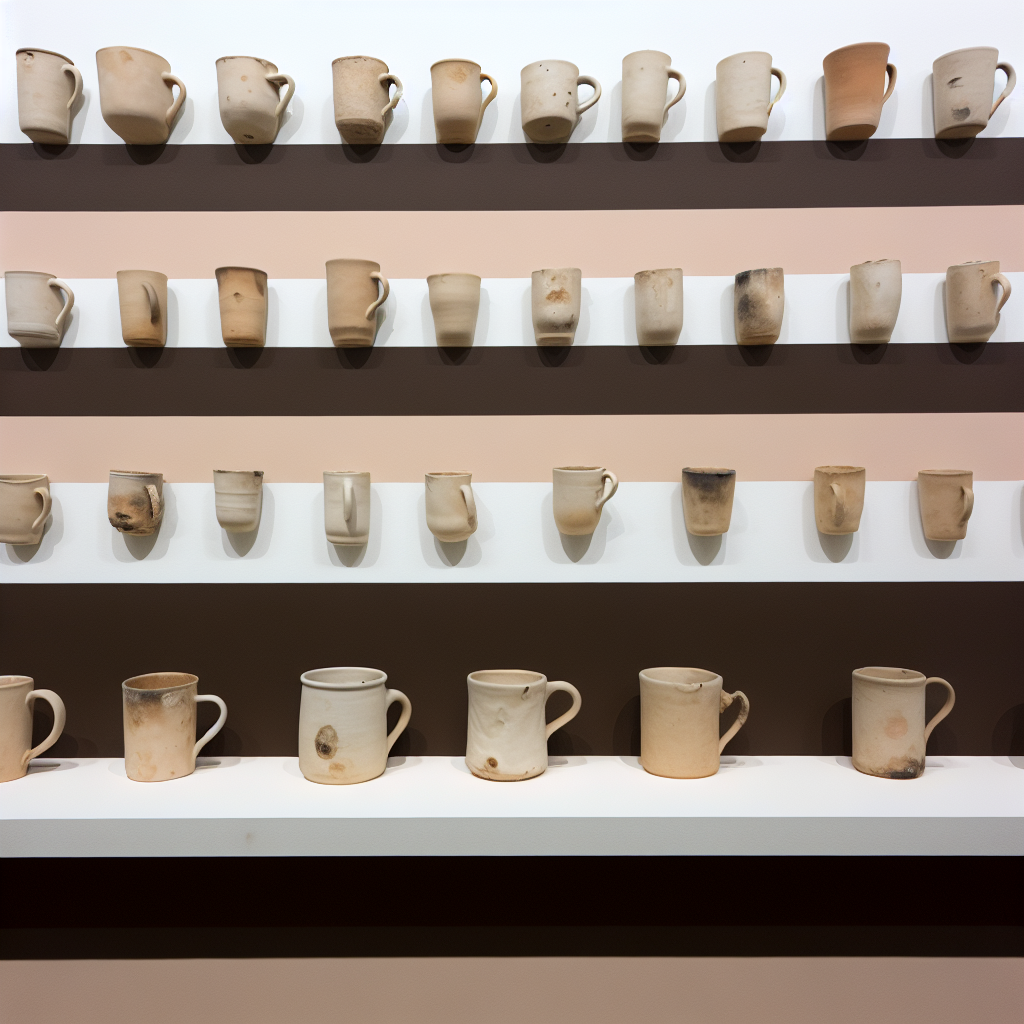
Ceramic collection

Ceramics Study

The Language of Cracks

Ceramic objects — plates, bowls, mugs, vases — occupy a unique position in household life. They're both utilitarian and decorative, simultaneously durable and fragile. A ceramic piece can last centuries or shatter in seconds, can be passed through generations or replaced without thought.

Our Ceramics Study examines this paradox through extensive documentation of household ceramic wear. We've photographed over 800 ceramic objects, cataloging their scratches, chips, crazing, and breaks. Each mark tells a story about use, about accidents, about the decisions we make when things crack.

Patterns of Damage

Ceramic wear follows predictable patterns. Plates develop scratches in circular arcs from knife and fork use. Coffee mugs accumulate lip marks where glaze wears away from repeated sipping. Serving bowls show concentrated wear at stirring points. These patterns are so consistent we can often determine an object's primary function just from its wear signature.

But damage patterns are more variable. Some chips happen at edges, from stacking or washing. Others occur at impact points — the corner of a dropped bowl, the handle of a jostled mug. The nature of the damage often reveals the circumstances of its creation.
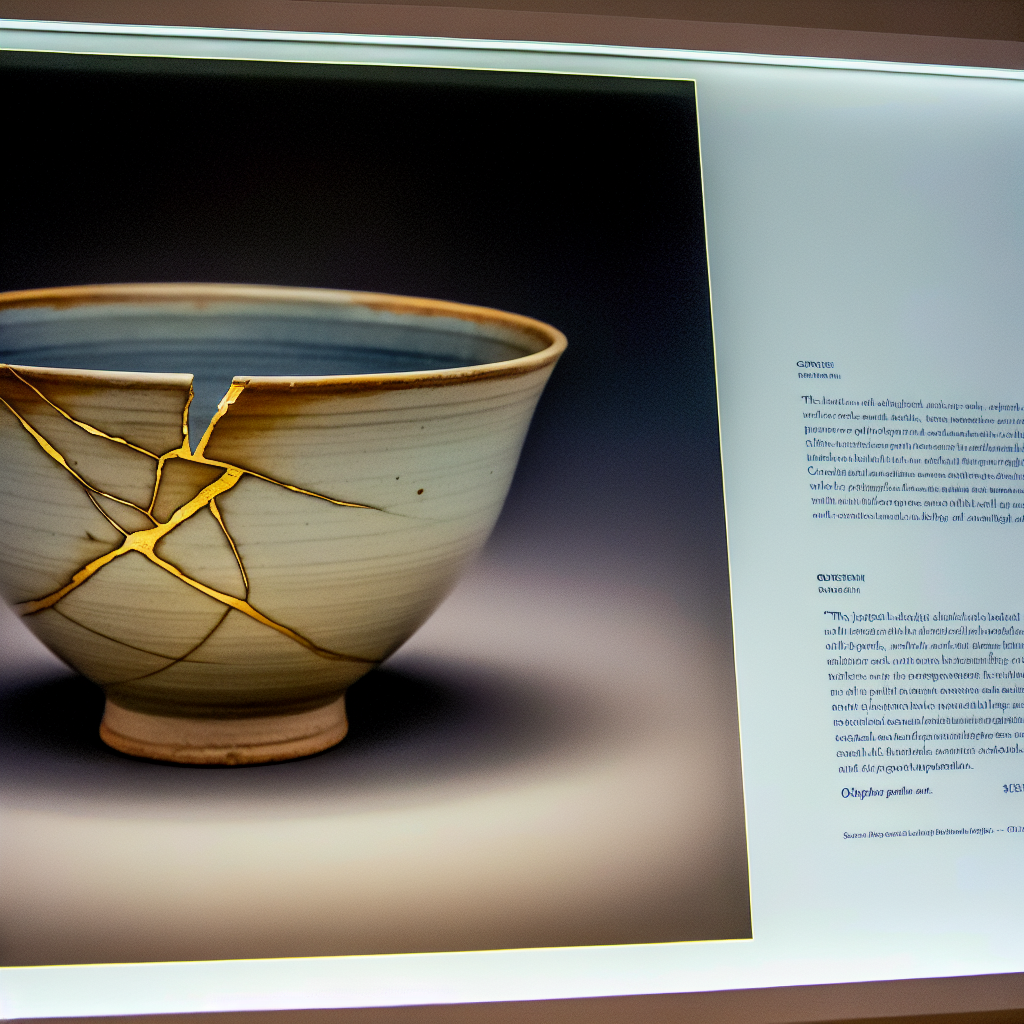
Ceramic repair documentation

The Decision to Keep

What's most interesting isn't the damage itself, but what people do afterward. Some damaged ceramics are immediately discarded — a single chip enough to condemn a piece. Others are kept for decades, their damage barely noticed or actively celebrated as character.

The decision to keep or discard a damaged ceramic object reveals deep values. Sentimental attachment, perceived replaceability, aesthetic preferences, and practical considerations all play roles. We've interviewed owners about their damaged ceramics, and the stories are remarkably varied and often moving.

Repair Traditions

Some households practice ceramic repair. We've documented examples of kintsugi (Japanese gold repair), simple gluing, metal staples (an older European tradition), and creative repurposing of broken pieces. Each repair method carries different meanings — kintsugi celebrates brokenness as part of an object's history, while invisible gluing attempts to erase the damage from view.

The revival of repair culture, particularly kintsugi, represents a philosophical shift. It suggests damage doesn't diminish value but can enhance it, that history — even the history of breaking — is worth preserving and celebrating.