The Heart of the Home
Kitchens contain the densest concentration of everyday objects in most homes. Utensils, appliances, containers, towels, cutting surfaces — each item serves specific functions while collectively enabling the daily rituals of food preparation and gathering.
Our Kitchen Objects research examines how these tools shape cooking practices, how they're organized and stored, and how they accumulate meaning through repeated use. The kitchen is where object relationships are most visible and most essential to daily life.
Knives
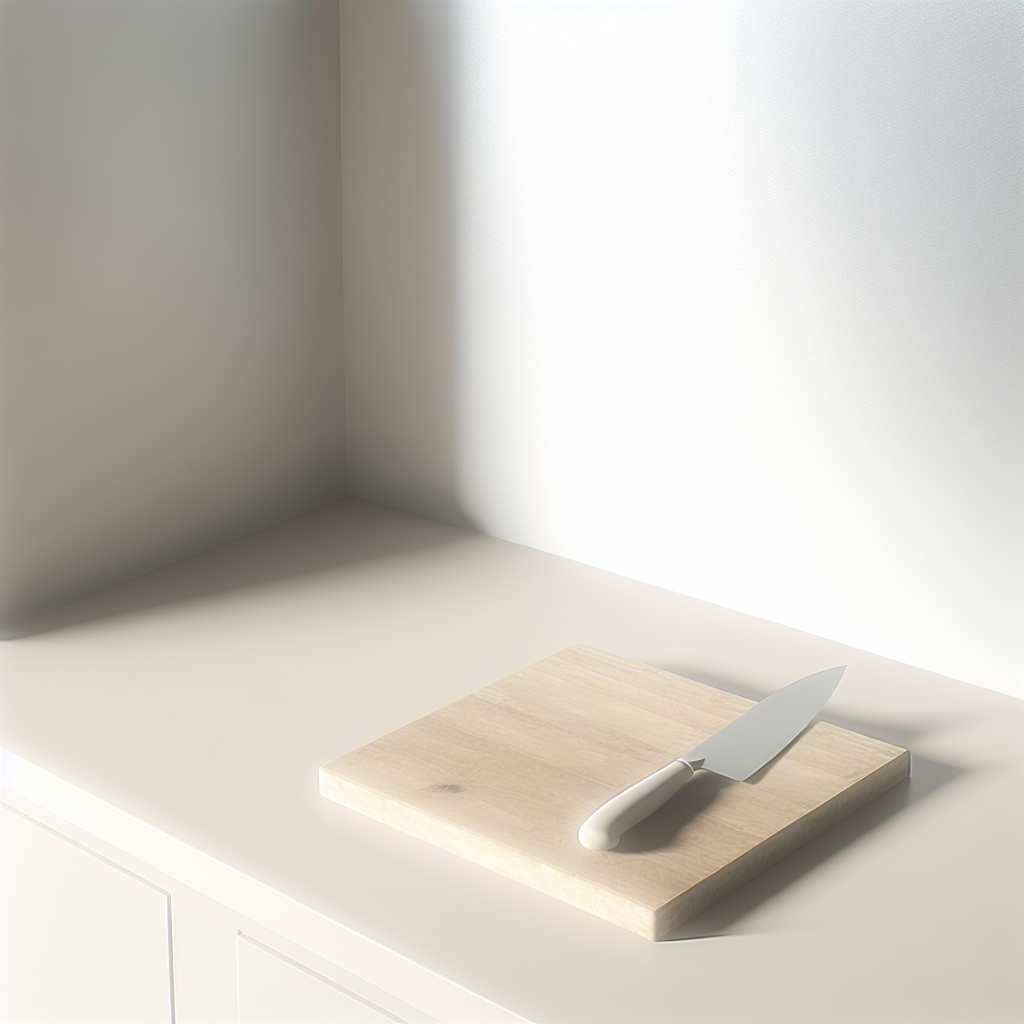
The most personal of kitchen tools. Cooks develop strong preferences for specific knives, honing them regularly and protecting them from others' use.
Cutting Boards
These workhorses accumulate deep histories in their scarred surfaces. Each knife mark is a meal prepared, a family fed.
Mixing Bowls
Often inherited or collected over years, mixing bowls represent cooking traditions and remembered recipes.
Wooden Spoons
Perhaps the most beloved kitchen implement. Soft on cookware, comfortable in hand, aging beautifully with use.
Organization Systems
Kitchen organization reveals fascinating patterns. Utensils near the stove, knives near the cutting board, frequently used items in easy reach. These arrangements develop organically through use, optimizing workflow without conscious design.
We've documented hundreds of kitchen organization systems, from meticulously labeled containers to chaotic but functional drawers. What looks like disorder to an outsider often operates as a highly efficient system for the person who uses it daily.
The Coffee Station
Many kitchens have a dedicated coffee or tea station — a microzone with its own organization logic. Mugs, filters, grinders, kettles, all arranged for smooth morning rituals. These areas are often the most carefully maintained and least flexible to change, as they support crucial daily routines.
Seasonal Objects
Some kitchen objects appear only seasonally. The preserving pots in autumn, the ice cream maker in summer, the roasting pan at holidays. These objects carry temporal markers, their appearance signaling shifts in the year's rhythm.