Photography as Observation
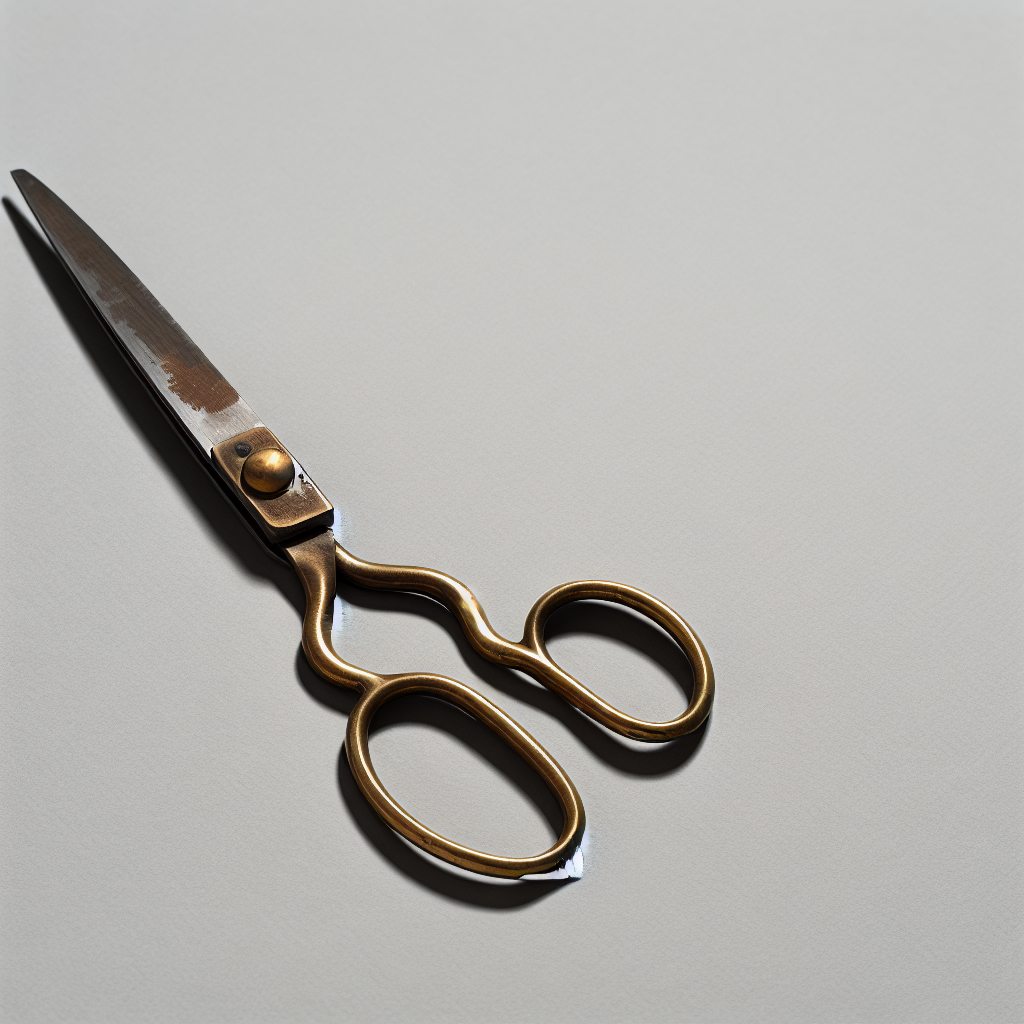
Photography isn't just about creating images. It's a practice that forces us to look more carefully. When you prepare to photograph an object, you consider angle, light, background, composition. This process of consideration is itself an act of observation, revealing details you'd miss in casual viewing.
We use photography throughout our programs as a tool for seeing differently. Participants often report that photographing their everyday objects changes how they perceive them permanently — the camera becomes a lens for attention that persists even after it's put away.
Essential Techniques
Lighting
Natural light is ideal for object photography. Position your object near a window, avoiding direct sunlight which creates harsh shadows. Soft, diffused light reveals texture and form without drama.
- Shoot during overcast days or in shaded window light
- Use a white reflector (even just white paper) to bounce light into shadows
- Avoid overhead lighting which flattens objects
- Shoot during "golden hour" for warm, dimensional light
Composition
Simple compositions work best for documentary object photography. A clean background focuses attention on the object itself.
- Use neutral backgrounds — white, grey, or natural materials
- Fill the frame with your object, eliminating distractions
- Try multiple angles: straight-on, from above, at 45 degrees
- Consider scale by including a size reference
Macro Photography
Capturing fine details requires getting close. Most phones and cameras have macro modes or can achieve close focus with proper technique.
- Use macro mode or a macro lens attachment
- Focus on specific details: wear patterns, textures, joints
- Steady your camera (use a tripod or brace against a solid surface)
- Take multiple shots at different focus points
Series Photography
Documenting objects over time reveals changes that daily proximity makes invisible. Create a series by photographing the same object in the same way monthly or yearly.
Maintain consistency in your series by noting and replicating lighting conditions, camera position, and background. This consistency makes changes in the object itself more visible.
Building Your Archive
Systematic documentation requires organization. Create a simple system for naming and storing files. Include the date, object name, and any relevant details in your file names.
Consider keeping a photo journal alongside your images — notes about what you notice, questions that arise, connections you see. The combination of image and text creates a richer record than either alone.
Equipment Notes
You don't need expensive equipment. Modern smartphones produce excellent documentary images. What matters more than gear is attention, consistency, and the willingness to take many photographs to get one that reveals what you're seeking.
If you want to expand your capabilities, consider: a simple tripod for stability, a white foam board for reflecting light, and perhaps a macro lens attachment for your phone.