The Problem of Disposability
Contemporary culture treats many objects as disposable. Cheap manufacturing, planned obsolescence, and fashion cycles encourage constant replacement. The environmental costs are staggering — resource extraction, manufacturing emissions, transportation impacts, and mounting waste.
But the problem isn't just environmental. Disposability culture affects how we relate to material things. When objects are cheap and easily replaced, we invest less care in them. This creates a vicious cycle: less care leads to faster deterioration, which leads to more frequent replacement, which reinforces the attitude that objects aren't worth caring for.
Breaking the Cycle
Our research suggests a different approach. When people develop deeper relationships with their objects — learning their materials, practicing their care, appreciating their aging — they naturally extend object lifespans. This isn't about guilt or sacrifice. It's about discovering that well-maintained objects serve us better than constant replacement.
Program participants keep objects 3.2 times longer than control groups. This translates to significant reductions in consumption, waste, and environmental impact. But more importantly, participants report greater satisfaction with their possessions.
The Repair Movement
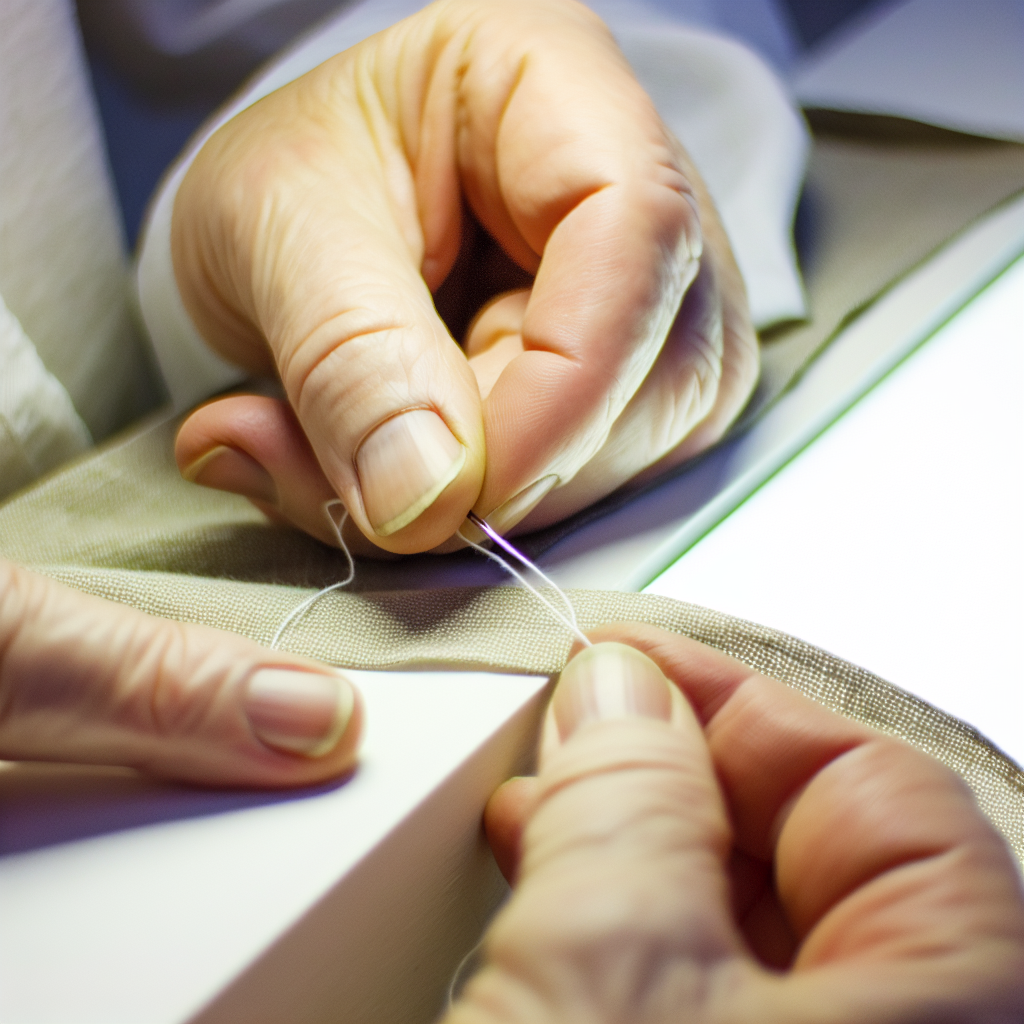
Repair is having a renaissance. Repair cafes, mending workshops, and online repair communities are growing rapidly. This movement represents more than practical skills — it's a philosophical stance against disposability.
Repairing an object requires understanding how it works, sourcing appropriate materials or parts, learning techniques, and investing time. These acts declare that the object is worth preserving, that functionality matters more than pristine appearance, that we can be makers and fixers rather than just consumers.
Quality Over Quantity
Sustainable consumption means buying less but buying better. A well-made wooden spoon might cost three times as much as a cheap one, but if it lasts ten times as long (and works better throughout its life), it's both economically and environmentally superior.
This calculus requires shifting from initial cost to lifetime value. It means considering repairability, understanding material durability, and being willing to pay more upfront for long-term quality.
Practical steps toward quality-focused consumption:
- Research before purchasing — understand materials and construction
- Buy from manufacturers who support repair and provide replacement parts
- Choose natural materials that age well over synthetics that degrade
- Consider secondhand and vintage items that have already proven their durability
- Invest in versatile items that serve multiple purposes
Maintenance as Practice
Regular maintenance extends object life dramatically. Oil wooden items. Sharpen knives. Clean properly. Store carefully. These small practices, performed regularly, prevent the deterioration that leads to premature replacement.
Maintenance also creates ongoing relationships with objects. The act of caring reinforces awareness and appreciation. Objects become more valuable because we've invested attention in their preservation.
The Limits of Individual Action
We acknowledge that individual consumption choices, while important, aren't sufficient to address environmental crises. Systemic change — in manufacturing, regulation, and economic structures — is essential.
But individual practices and systemic change aren't opposed. They reinforce each other. As more people demand quality, repairability, and longevity, markets shift. Personal practice can model and normalize different ways of relating to material things, creating cultural change that enables policy change.
Our work operates at the intersection of personal practice and cultural shift, helping individuals develop more sustainable object relationships while contributing to broader cultural transformation around consumption and waste.