Fabric Memory
Textiles wear differently than other household objects. They soften, thin, fade, pill, and fray. They absorb stains and smells. They hold creases and wrinkles like memories. A well-used dish towel or bedsheet accumulates years of history in its fibers, becoming simultaneously weaker and more beloved.
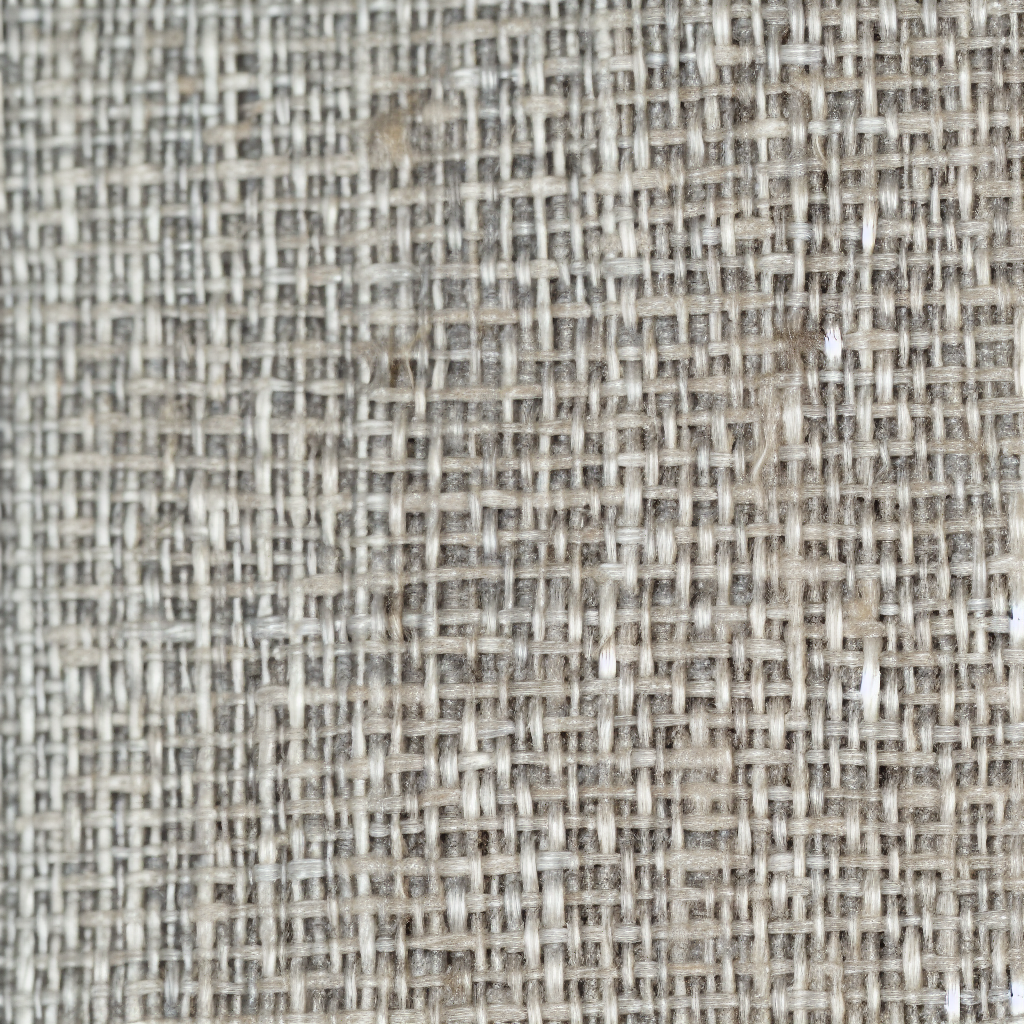
Our Textiles Study documents this unique relationship between material and time. Through microscopic photography and material analysis, we've examined over 600 household textiles — towels, sheets, napkins, tablecloths, and clothing items — tracking how different fabrics respond to daily use.
The Softening Process
New textiles can be stiff, almost harsh. But use transforms them. Cotton becomes softer with each wash as fibers break down and loosen. Linen, initially crisp, develops a supple drape. Even synthetic fibers, though less responsive to use, eventually relax their tight structure.
This softening is what makes textiles so intimate. The towel that's dried you for years knows your shape. The pillowcase that's cradled your head nightly has molded itself to your habits. This physical transformation is why people develop such strong attachments to textile objects — they literally become customized through use.
Patterns of Wear
Textile wear follows predictable paths. Dish towels thin at their centers where most wiping occurs. Bed sheets develop pills along the horizontal plane where bodies rub against fabric. Tablecloths show concentrated wear at place settings. These patterns are so reliable they function as maps of use, revealing daily routines written in thread wear.
Color change is equally telling. Fabrics fade in sunlight, especially near windows. Whites yellow with age and washing. Bright colors soften to pastels. These changes are often seen as degradation, but our participants frequently describe preferring their "broken in" textiles to new replacements.
Mending Traditions
Textile repair has deep roots. Visible mending — patches, darning, decorative stitching over holes — is experiencing revival after decades of invisibility. Where previous generations hid repairs to maintain an illusion of perfection, contemporary mending often celebrates the repair itself as artistic intervention and sustainable practice.
We've documented hundreds of mended textiles, from simple patches on favorite jeans to elaborate sashiko stitching on kitchen linens. Each repair represents a decision that this object is worth preserving, that its history and character outweigh the ease of replacement.
The Question of Replacement
Textiles face a particular replacement challenge. Unlike ceramics that break suddenly or tools that stop functioning, textiles degrade gradually. There's no clear moment when a towel or sheet has "failed." Instead, owners make subjective judgments about when wear has progressed too far.
Our interviews reveal widely varying replacement thresholds. Some people replace textiles at first signs of thinning. Others use items until they're literally threadbare. These differences reflect values around sustainability, aesthetics, comfort, and relationship with material objects.