Understanding Wood
Wood is a living material, even after it's been cut, shaped, and brought into your kitchen. It expands and contracts with humidity, darkens with sun exposure, and responds to the oils and moisture from your hands. Caring for wooden objects means working with this responsiveness rather than against it.
The wooden objects in our homes — cutting boards, spoons, bowls, furniture — can last generations if properly maintained. This guide covers essential care practices for common household wood items.
Daily Care
Cleaning
The most important daily practice is proper cleaning. For wooden items that contact food:
- Wash with warm water and mild soap immediately after use
- Never soak wood or put it in the dishwasher
- Dry thoroughly with a towel — don't air dry horizontally
- Stand items upright or on edge to allow air circulation
Quick Tip
For cutting boards, scrub with coarse salt and half a lemon to remove odors and surface stains. The salt provides abrasion while the lemon's acidity helps clean and deodorize.
Routine Maintenance
Beyond daily cleaning, wooden items benefit from regular oiling:
- Oil cutting boards and wooden utensils monthly (more if heavily used)
- Use food-safe mineral oil, walnut oil, or specialty board oil
- Apply oil generously, let it soak in for hours or overnight
- Wipe away excess oil before next use
Addressing Damage
Knife Marks and Scratches
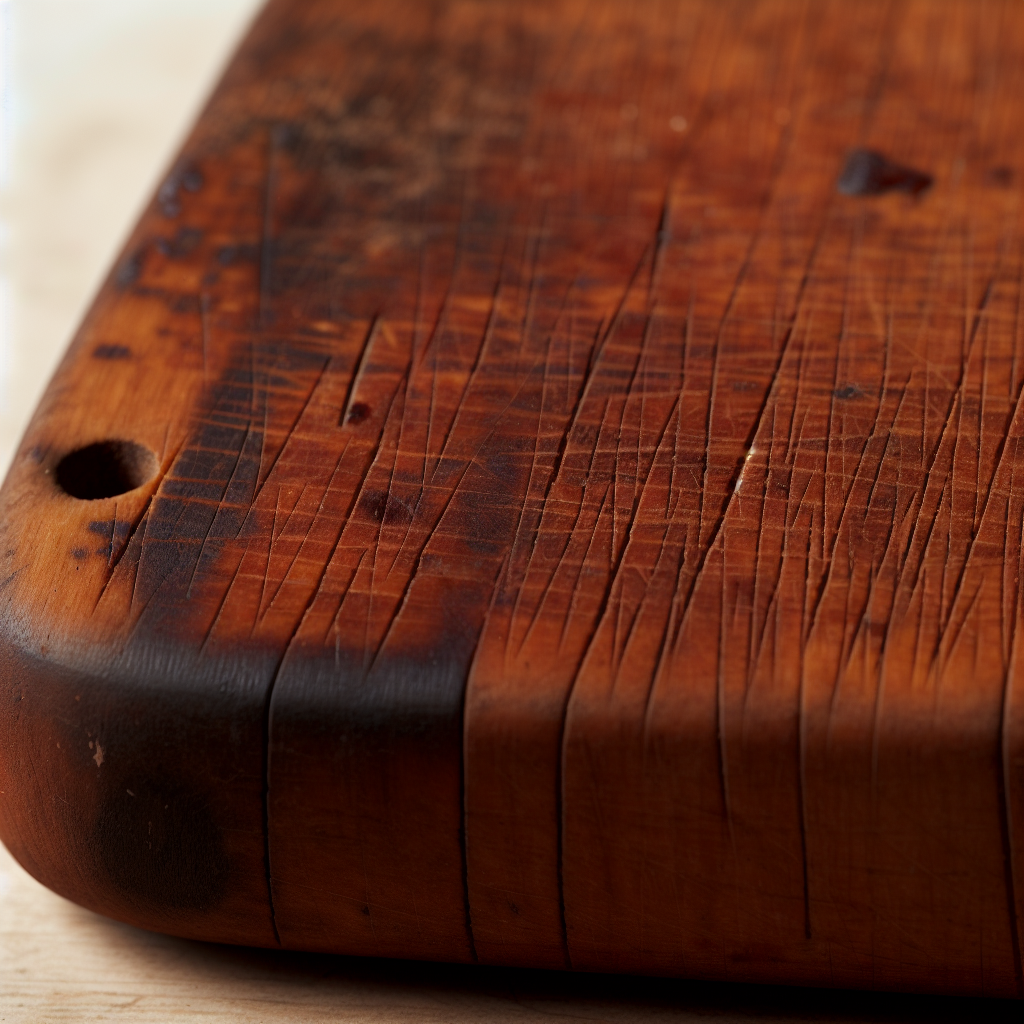
Deep knife marks in cutting boards are normal and not problematic unless they harbor bacteria. If grooves become very deep or hard to clean, lightly sand the surface with fine-grit sandpaper, working with the grain. Re-oil after sanding.
Cracks and Splits
Small cracks are common in wooden items and usually don't affect function. Large splits that go through the entire thickness are more serious. These can sometimes be stabilized with food-safe wood glue and clamping, but very damaged items may need replacement for safety.
Warping
Warping happens when one side of wood absorbs more moisture than the other. Prevent warping by:
- Oiling both sides of cutting boards and flat items
- Not leaving wood in standing water
- Storing items in consistent humidity conditions
Stains and Discoloration
Some staining is inevitable and adds character. Deep stains can be lightened by sanding or by making a paste of baking soda and water, applying it to the stain, and letting it sit overnight before washing.
Long-term Preservation
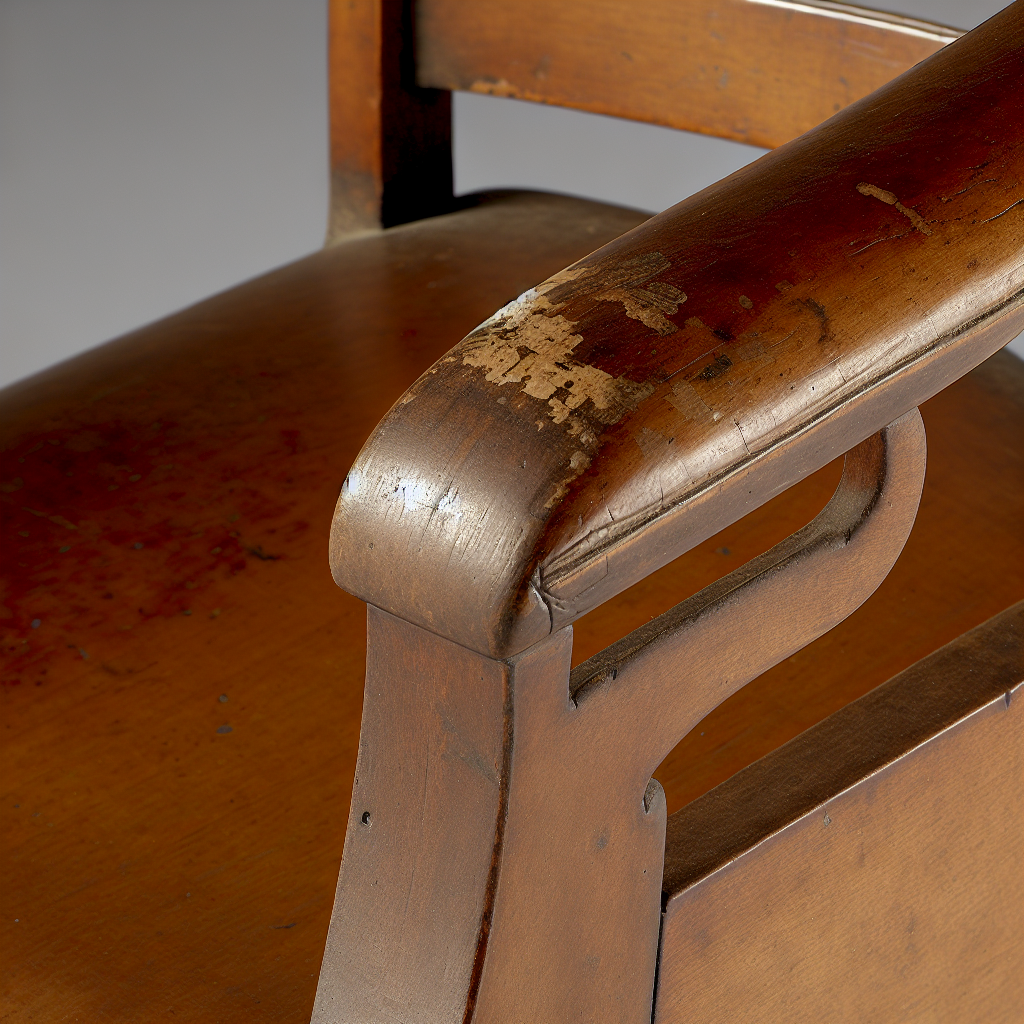
Well-maintained wooden objects develop beautiful patina over years of use. The wood darkens, the surface becomes smoother, and the grain becomes more pronounced. This aging is desirable — it's a sign of a well-used, well-loved object.
Some wooden items can be passed down through generations. We've documented cutting boards over 50 years old, still in active daily use, their surfaces silky smooth from decades of oiling and handling.
Remember
The goal isn't to keep wood looking new. It's to maintain functionality and structural integrity while allowing the natural patina of use to develop. Embrace the marks of time — they're what make your wooden objects uniquely yours.